Bhutan Travel Guide
Bhutan Visa
All international visitors (except Indian, Bangladeshi and Maldivian nationals) need a visa to enter Bhutan. The visa fee is USD 40 per person, and it is included in every Bhutan Voyages package. We arrange the visa for you once your booking is confirmed.
Sustainable Development Fee (SDF)
Bhutan charges a Sustainable Development Fee of USD 100 per person per night. The SDF supports Bhutan’s “high value, low volume” tourism. It is already included in the price of all our tours.
Getting There
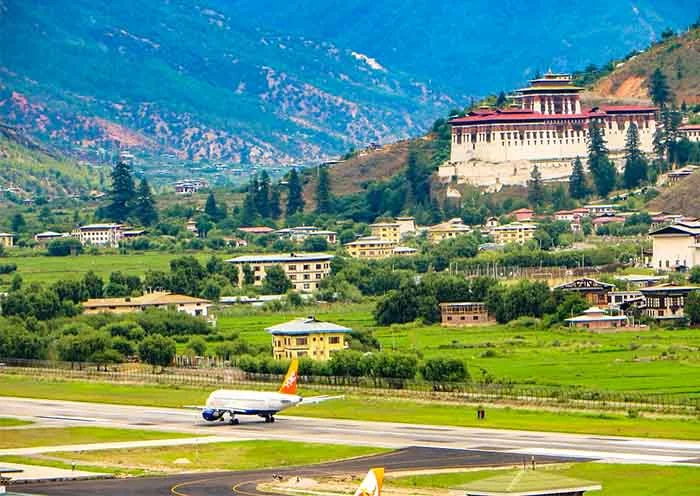
Every tour starts and ends at Paro International Airport, Bhutan’s only international airport. On arrival you will be met by your guide; Thimphu, the capital, is about 55 km (1.5 hours) away. International flights are not included in our packages, so please share your flight details once booked.
When to Go
Bhutan can be visited all year. Many travellers plan around the Tshechu festivals, when dzong courtyards fill with masked dances and families in their finest clothes. In winter, black-necked cranes arrive in the Phobjikha Valley.
| 2027 festival dates | Tour |
|---|---|
| 16–18 Feb 2027 | Punakha Festival Tour |
| 18–22 Mar 2027 | Paro Festival Tour |
| 16–18 Apr 2027 | Domkar Festival Tour (Bumthang) |
| 12–14 Jun 2027 | Nimalung Festival Tour (Bumthang) |
| 10–12 Oct 2027 | Thimphu Festival Tour |
| 6–8 Nov 2027 | Haa Summer Festival Tour |
| 6–9 Nov 2027 | Jakar Festival Tour (Bumthang) |
| 11 Nov 2027 | Black Neck Crane Festival Tour |
| 27–31 Dec 2027 | Trongsa Festival Tour |
Destinations
Thimphu
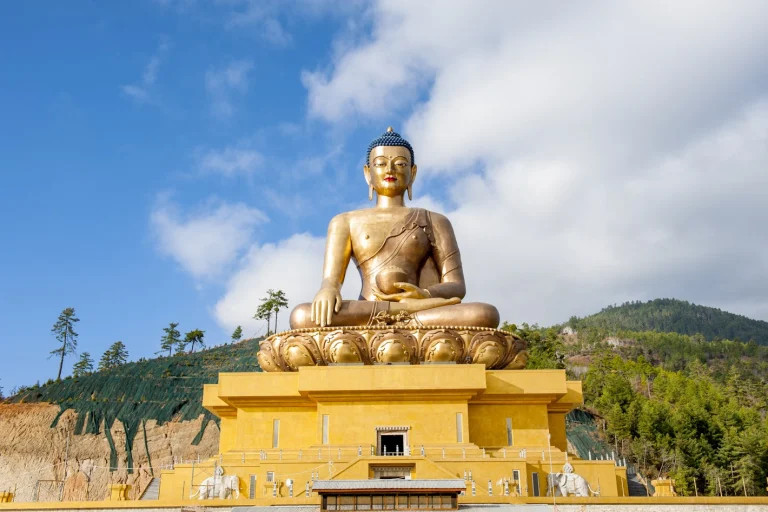
The capital town of Bhutan and the centre of government, religion and commerce, Thimphu is a unique city with an unusual mixture of modern development alongside ancient traditions. With a population of about 90,000 it is perhaps still the world's only capital city without a traffic light. Highlights include the National Library, the Institute for Zorig Chusum (Painting School), the Textile and Folk Heritage Museum, the King's Memorial Chorten, Trashichhoedzong and Buddha Point (Kuensel Phodrang).
Paro
Paro is where every journey begins and ends, at Paro International Airport. Taktsang Monastery, the Tiger's Nest, is perched on a cliff 900 m above the valley floor; Guru Rinpoche is said to have arrived here on the back of a tigress. The valley is also home to Ta Dzong (the National Museum), Paro Dzong and the 7th-century Kyichu Lhakhang.
Punakha
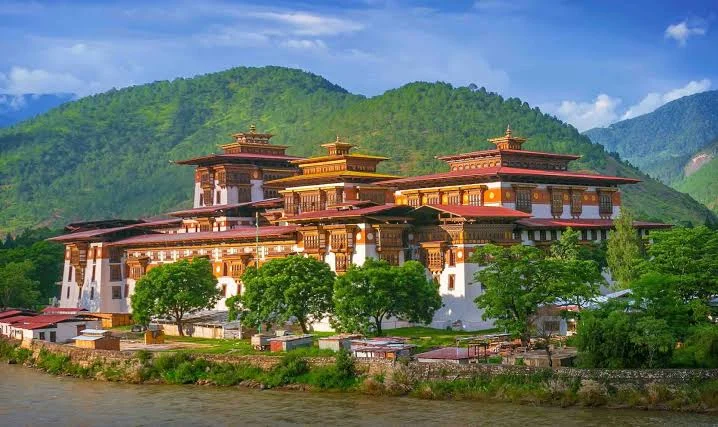
Reached over the Dochula pass (3,080 m), Punakha is home to Punakha Dzong, the "Palace of Great Happiness", built in 1637 by Shabdrung Ngawang Namgyal at the junction of the Pho Chhu and Mo Chhu rivers. It served as both the religious and administrative centre of Bhutan in the past. Nearby are the Punakha Suspension Bridge and Chimi Lhakhang.
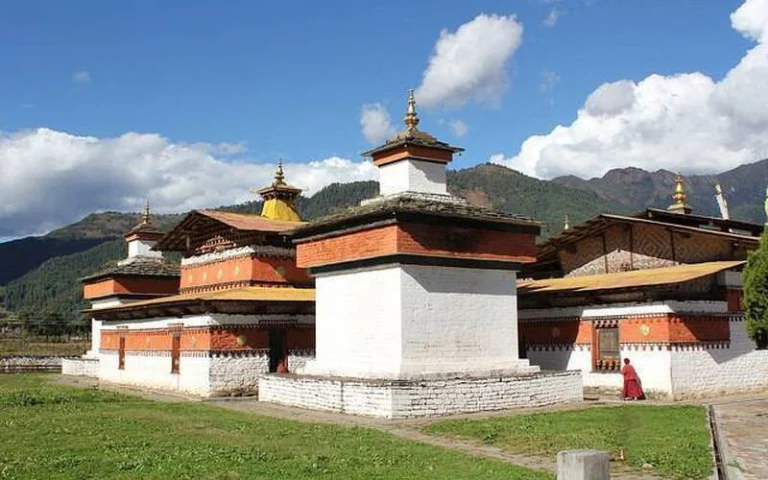
Bumthang
Home to four beautiful mountain valleys (Ura, Chumey, Tang and Choekhor) and an array of ancient monasteries and temples, Bumthang is the most historic of all districts in Bhutan. Visit Jakar Dzong, the "Castle of the White Bird", Jambay Lhakhang, Kurjey and Tamshing Lhakhang, and taste local cheese and buckwheat delicacies.
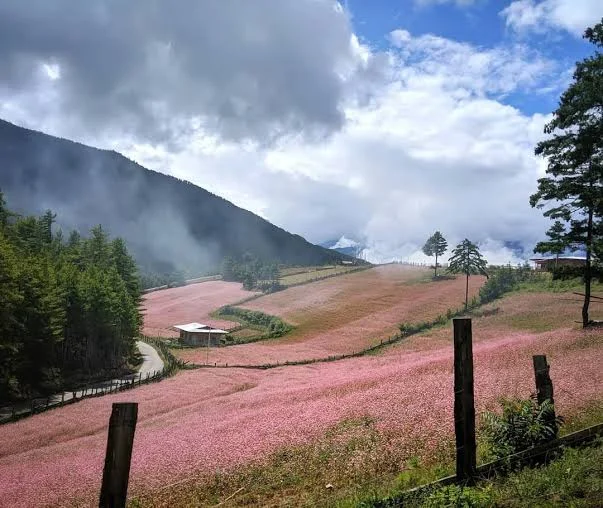
Gangtey (Phobjikha)
Gangtey, or the Phobjikha Valley, is the Bhutan of postcards. Flanked by the Black Mountains, the glacial valley is a quilt of fields watched over by Gangtey Monastery, an important seat of Nyingma Buddhism. Every winter rare black-necked cranes arrive from the Tibetan plateau, celebrated by a festival every year on 11 November.
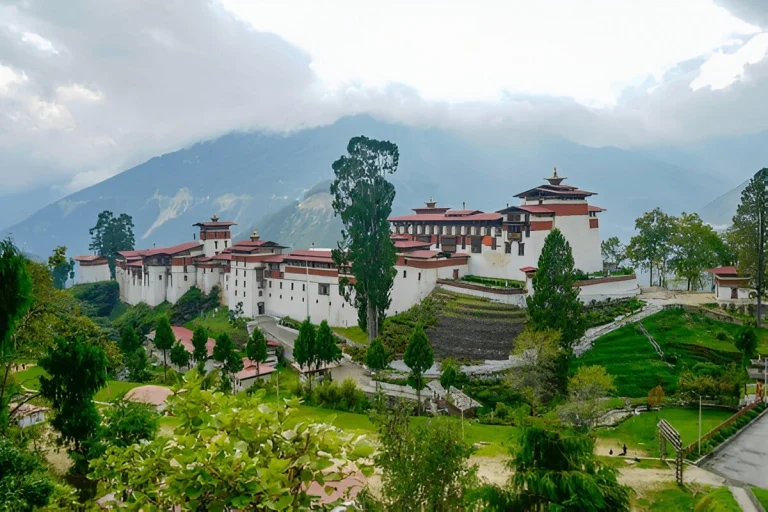
Trongsa
Trongsa sits on a steep ridge in the centre of Bhutan with spectacular views of the deep valleys around it. Trongsa Dzong, visible from anywhere in town, was the seat of power of the Wangchuck dynasty before the monarchy was established in 1907. Nearby, the Yotong La pass marks the transition to the wider valleys of Bumthang.
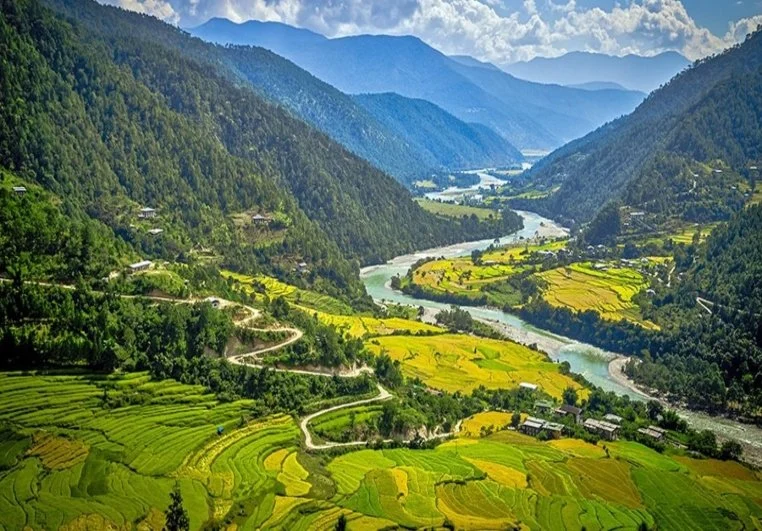
Haa Valley
The isolated Haa Valley lies behind Chele La (about 4,000 m), the highest motorable pass in Bhutan, and borders the Chumbi Valley of Tibet. Haa is one of the 20 dzongkhags (districts) of Bhutan and one of the smallest, famous for its unspoilt beauty and its summer festival.
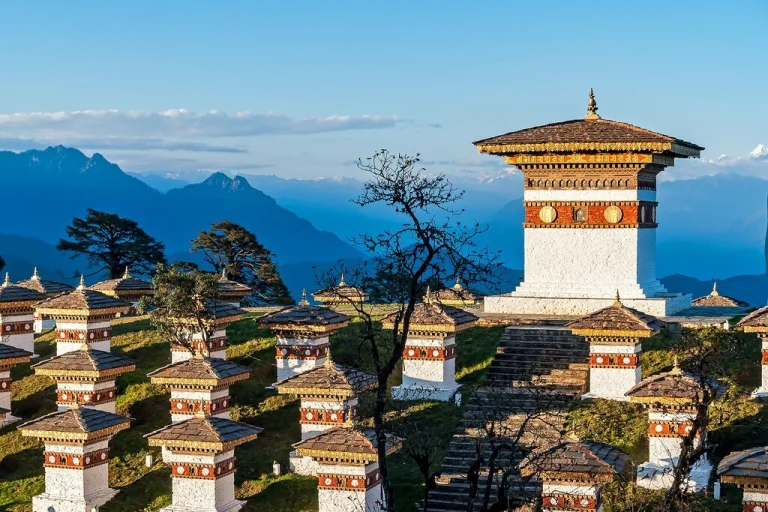
Dochula Pass
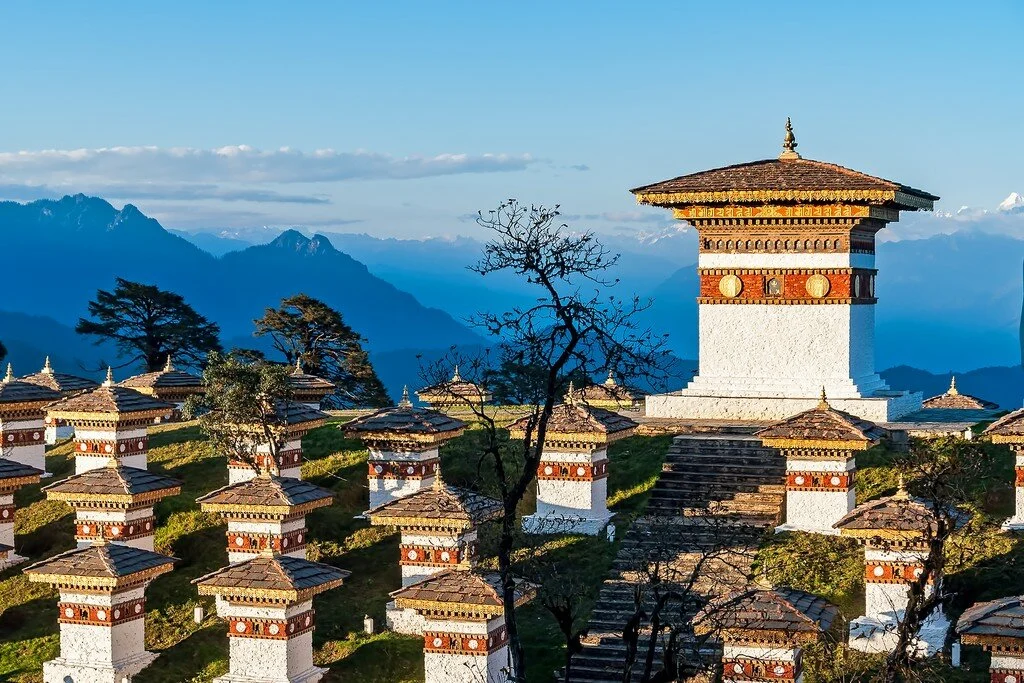
On the road between Thimphu and Punakha, Dochula pass (3,080 m) is marked by chortens and prayer flags and offers the most spectacular view over the high peaks of the eastern Himalayas on a clear day.
Culture & Festivals
A tshechu, meaning “tenth day” in Dzongkha, honours the birth anniversary of Guru Rinpoche, who introduced Tantric Buddhism to Bhutan in the 8th century. Mask dances (cham) and folk dances are performed to bless onlookers, teach the Buddhist dharma and protect people from misfortune. It is believed that merit is gained by attending.
You will see Bhutanese in their traditional dress, the gho for men and the kira for women, and colourful thangka and thongdrel (silk appliqué) displays. Dzongs such as Trashichhoedzong and Punakha Dzong were built without nails or architectural plans, and still serve as centres of government and religion.
Practical Tips
- Travel insurance: not included in the tour price; we highly recommend comprehensive insurance at the time of booking.
- Hotels: 3 star or similar category, with upgrades to 4 and 5 star hotels available at extra cost.
- Meals: full board (breakfast, lunch and dinner) is included.
- Tips: tips for the guide and driver are not included and are at your discretion.
- Shopping: local bazaars sell hand-woven textiles, thangka paintings, masks, ceramics, slate and wood carvings and jewellery.
- Altitude: passes such as Dochula (3,080 m) and Chele La (about 4,000 m) are high; take it easy on your first days.
Ready to plan your Bhutan journey?
Tell us your dates and interests. A dedicated tour manager will help you before, during and after your trip.